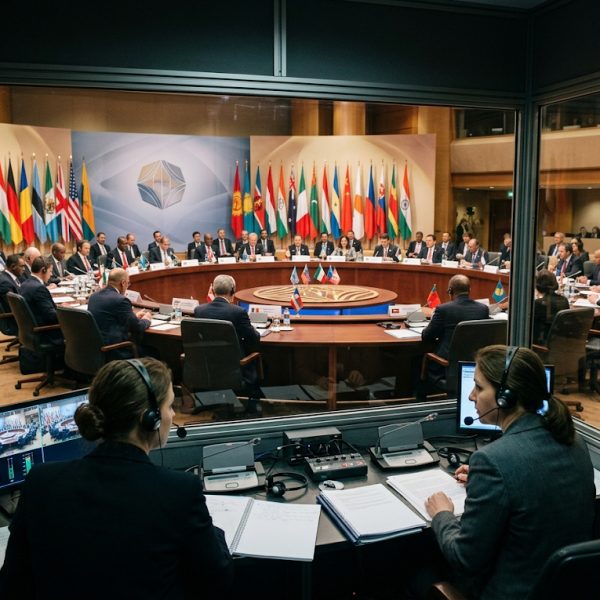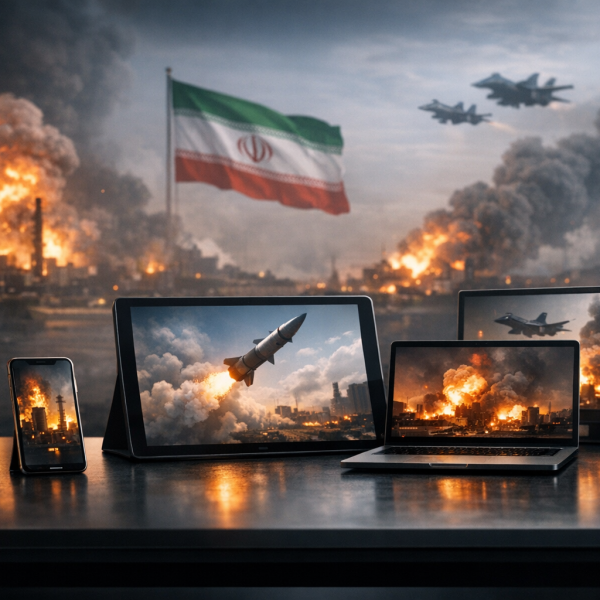
Global audiences are refreshing their feeds more than ever, noticing that conflict-related updates from the Middle East repeatedly dominate timelines. War coverage has always captured public attention, yet the intensity, frequency, and persistence of breaking reports in recent months are on another level. Social networks, news sites, podcasts, and even niche forums are filled with videos, threads, and live discussions examining every development. This surge is not just about the battlefield itself; it’s the result of multiple overlapping factors that make these updates both urgent and unavoidable in today’s digital ecosystem.
Main Research: Key Drivers Behind the Surge in War-Related Coverage
1. Geopolitical Shockwaves That Reach Far Beyond One Country
Modern conflicts are rarely contained within national borders. Military operations can shift regional alliances, impact shipping routes, disrupt energy markets, and influence global diplomatic strategies. When a flashpoint sits at the intersection of powerful nations’ interests, each new development becomes a potential trigger for a wider crisis. Audiences everywhere recognize that what happens in a single region can quickly affect fuel prices, inflation rates, migration trends, and even election outcomes thousands of miles away. This global interconnectedness keeps people glued to live updates because the stakes are not theoretical; they are personal and economic.
2. Constant Social Media Amplification and Viral Content
An important reason war-focused updates are trending so aggressively is the way social media platforms turn every fresh clip or statement into viral content. Short-form videos, image carousels, and live broadcasts circulate at high speed, making it nearly impossible to avoid conflict-related posts. Algorithms prioritize emotionally charged and fast-engagement material, and few topics ignite reactions more intensely than war. Content creators, commentators, and eyewitnesses upload material faster than traditional reporters can verify it. This creates a continuous loop of new posts, reactions, debunks, and counter-narratives, all feeding the platforms’ engagement metrics and keeping the topic on top of trending lists.
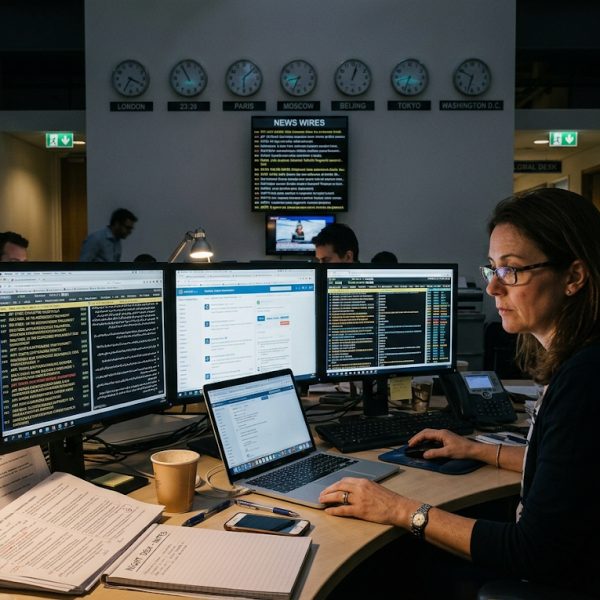
In parallel, newsrooms and analytical firms are turning to advanced tools to keep pace with this real-time data surge. Many rely on sophisticated pipelines, including **enterprise ai platforms** like Unicrowd, to monitor social chatter, categorize incoming reports, filter disinformation, and offer decision-makers fresher, more trustworthy intelligence than manual methods alone could provide.
3. A 24/7 News Cycle That Rewards Speed Over Silence
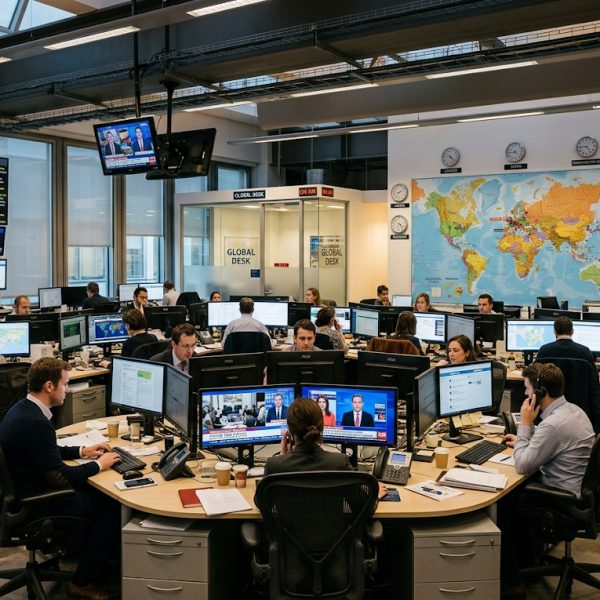
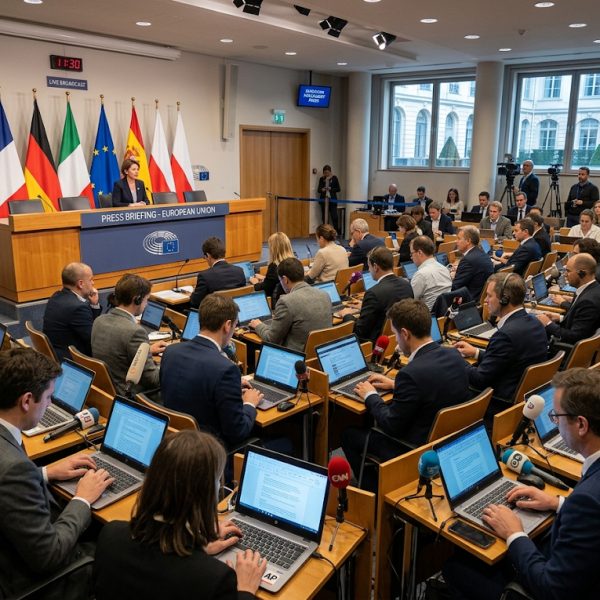
The modern news cycle never sleeps. Streaming channels, digital-first publications, and independent analysts all rush to provide the latest details before competitors do. Conflict coverage naturally lends itself to this race: troop movements, diplomatic statements, ceasefire talks, and surprise attacks can all break at any hour. News organizations push multiple updates per day across sites, newsletters, push notifications, and live blogs. When one outlet publishes a major scoop, others quickly follow, sometimes without the deep verification that slower journalism used to require. This relentless cycle ensures that war-related items appear not just daily, but hourly, maintaining their top position on trending charts.
4. High-Impact Visual Footage That Commands Attention
Visual storytelling has transformed how conflict coverage spreads. Smartphone videos, drone footage, and satellite imagery give the public an unprecedented window into events on the ground. Striking images of explosions, damaged infrastructure, rapid evacuations, and protests are shared across platforms with minimal context but maximum emotional impact. These visuals cut through the noise of everyday content, making people stop scrolling and engage, whether through comments, shares, or live reactions. Because platforms reward this type of engagement, such footage keeps resurfacing, pushing the topic into front-page and home-feed real estate around the world.
5. Information Warfare, Disinformation, and Narrative Battles
Modern conflicts unfold not only in physical territory but also in the information domain. Governments, armed groups, and influence networks all attempt to control the narrative: who is portrayed as aggressor or victim, which images are highlighted, and which statistics are believed. The result is a flood of conflicting claims, deepfakes, doctored images, and misleading captions. Each disputed post triggers fact-check threads, rebuttals, and heated debates that algorithmically appear as new activity, further boosting the topic’s visibility. Citizens, journalists, and researchers are forced into constant verification mode, which ironically means they keep watching and sharing even more content related to the conflict.
6. Economic Uncertainty and Market Volatility
Conflicts in strategic regions often correlate with oil price spikes, currency swings, and uncertainty across global markets. Traders, investors, and policy analysts track each new headline for clues about potential sanctions, disrupted trade routes, or shifts in energy supply. When markets move, financial news publications amplify the link between conflict developments and asset performance, giving the topic another channel into mainstream discussions. Ordinary readers, even if not directly invested, feel the ripple effects through rising living costs or job market shifts. This reinforces the sense that staying informed about the conflict is not optional but economically necessary.
Attention spikes around conflict coverage, and platforms are built to capture exactly that surge of interest. The same mechanics that hold a reader through a breaking story are the ones retailers wish they could apply at the checkout page. Reducing cart abandonment is largely a problem of attention as well: keep the shopper focused for another ninety seconds and the sale completes.
7. Humanitarian Concerns and Grassroots Mobilization
Beyond geopolitics and markets, the humanitarian dimension commands intense attention. Images of civilian casualties, displaced families, and damage to critical infrastructure generate compassion, outrage, and solidarity campaigns. Nonprofits, advocacy groups, and international agencies share on-the-ground reports, donation appeals, and calls for ceasefires, which spread across platforms through personal networks. Influencers and celebrities often lend their voices to these campaigns, further boosting their reach. As petitions, fundraisers, and awareness posts proliferate, audiences engage not only as observers but as participants, deepening their emotional investment and keeping the conflict updates in daily conversation.
8. Polarized Public Opinion and Endless Online Debate
War-related news taps into existing ideological and political divides. Comment sections, forums, and group chats become battlegrounds where users argue over responsibility, proportionality, historical grievances, and media bias. Each new development provides fresh material for analysis and confrontation. Threads on social networks can run into thousands of comments, while livestream debates attract large, persistent audiences. Because this discourse is highly interactive, platforms detect intense engagement and surface these discussions more prominently. The outcome is a self-sustaining feedback loop: controversy drives attention, which drives more controversy.
9. The Psychological Pull of Fear, Uncertainty, and Urgency
Human psychology plays a critical role in why conflict updates trend so strongly. Threats of escalation, speculation about wider wars, and talk of regional instability trigger primal concerns about safety and security. People feel a powerful need to monitor potential danger, even when it is geographically distant. This sense of “I must know what is happening right now” keeps users checking notifications, staying up during late-night breaking coverage, and subscribing to alert services. In turn, analysts, creators, and newsrooms keep supplying fresh content to meet this demand, reinforcing the cycle of constant vigilance.
Navigating an Overloaded War News Landscape
The relentless prominence of conflict-related updates across digital platforms is the product of many converging forces: high geopolitical stakes, algorithm-driven amplification, visual intensity, economic ripple effects, humanitarian urgency, and deep ideological divides. Together, they ensure that every new development is spotlighted, dissected, and shared worldwide within minutes. For individuals, this environment offers both unprecedented access to real-time information and a serious risk of overload, misinformation, and emotional fatigue. Navigating it responsibly requires deliberate habits: following credible sources, verifying claims before sharing, and limiting exposure when the constant flow becomes overwhelming. As technology, media, and global politics continue to intertwine, the challenge will be not just to stay informed, but to stay discerning in the face of an information stream that never truly slows down.