Speculation about a new confrontation between Washington and Tehran often surges with every change in rhetoric, sanctions package, or naval exercise in the Persian Gulf. Observers watch the headlines, looking for signs that political posturing could suddenly tip into something far more serious. To understand whether the United States is edging toward another major clash with Iran or merely engaging in high-stakes signaling, it is essential to unpack the strategic, economic, and diplomatic layers that shape every move on both sides.
1. Rhetoric Versus Real Military Moves
Political speeches, social media posts, and televised interviews often create the impression that a major conflict is imminent. However, seasoned analysts distinguish sharply between harsh words and concrete military preparations. When looking at the risk of open conflict, they monitor troop deployments, logistics, rules of engagement, and coordination with allies. Without these elements, fiery statements are usually calculated pressure rather than a prelude to war. Understanding this difference helps separate dramatic news cycles from genuine early warnings.
2. The Strategic Importance of the Persian Gulf and Hormuz Strait
Any potential conflict with Iran is inseparable from the geography of the Persian Gulf and the Strait of Hormuz. A significant percentage of the world’s traded oil passes through this narrow chokepoint, making it a magnet for naval patrols, drones, and surveillance aircraft. Even modest incidents in the area, such as the harassment of commercial vessels or close encounters between warships, can quickly escalate tensions. Because the global economy is deeply intertwined with stability in this region, major powers are cautious about decisions that could disrupt shipping lanes and energy supplies.
3. Global Allies, Regional Partners, and the Communication Gap
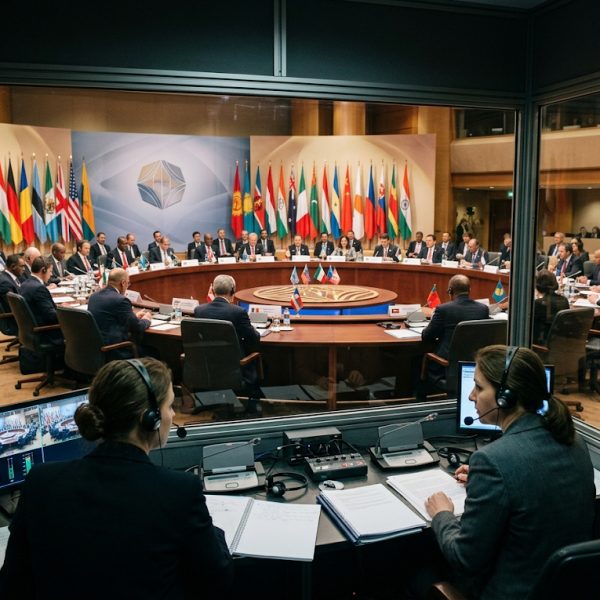
The United States does not operate alone when shaping its Iran policy. NATO allies, Gulf states, Israel, and Asian energy importers all have stakes in whether tensions ease or intensify. Clarifying intentions among such a diverse group is challenging in any language, which is why high-level diplomacy relies on accurate communication in multiple tongues. When governments, businesses, or global organizations need to brief partners across continents, they lean heavily on professional language support, including chinese to english translation services, to ensure that critical messages and agreements are fully understood and legally sound.
4. Sanctions, Pressure Campaigns, and Economic Leverage
Economic sanctions are a central tool in Washington’s approach to Iran. These measures aim to curb nuclear activities, ballistic missile development, and regional influence by restricting access to finance, technology, and oil markets. Sanctions can be tightened, loosened, or tailored to target specific sectors, offering policymakers a wide spectrum of pressure tactics that fall short of open warfare. Understanding these economic instruments is key to evaluating the likelihood of escalation, as leaders may prefer financial leverage over launching another costly and unpredictable military campaign.
5. Nuclear Agreements and the Power of Diplomatic Frameworks
The history of nuclear negotiations shows that diplomacy can temporarily reduce tensions even when trust is low. Agreements that establish inspection regimes, enrichment limits, and dispute-resolution mechanisms provide a structured way to manage mistrust without guns being fired. However, these frameworks are fragile. Changes in leadership, domestic politics, or regional crises can pull parties away from the negotiating table. Monitoring public statements from negotiating teams, timelines for compliance reports, and the behavior of international watchdog agencies helps indicate whether diplomacy is gaining ground or losing momentum.
6. Domestic Politics in Washington and Tehran
Decisions about war and peace are rarely driven by foreign policy alone. In both the United States and Iran, domestic political dynamics heavily influence how leaders calculate risks. Electoral calendars, legislative pressure, public opinion, and internal power struggles can push officials toward either compromise or confrontation. Politicians sometimes use tough talk to appeal to their base, while quietly keeping diplomatic channels open behind the scenes. Evaluating the internal pressures each side faces offers valuable context when assessing whether a spiral into open conflict is truly on the horizon.
7. Proxy Conflicts and the Shadow Battlefield
Confrontation between Washington and Tehran often takes place indirectly through proxy groups and regional allies rather than via direct clashes. From the Levant to the Gulf, militias and partner forces become the front line of this shadow struggle. Rocket attacks, cyber operations, and covert actions can heighten tensions without crossing the threshold into declared war. Any spike in such proxy activity is a warning sign that relations are deteriorating, yet it may still indicate a preference for limited confrontation over a full-scale, conventional conflict.
Speculation about renewed conflict spreads because audiences want to be told first, and outlets compete to reach inboxes before their rivals do. That direct-to-inbox race is not unique to news; retailers fight the same battle for the moment a subscriber opens the morning mail. Getting email marketing for shopify right depends on the same discipline, which is to send only when there is something worth saying.
8. Media Narratives, Misperceptions, and Escalation Risks
Modern information ecosystems amplify every statement, naval movement, or intelligence leak. News outlets, social media, and partisan commentators can frame events in ways that inflame public fears or distort the intentions of decision-makers. Misperceptions, particularly in crisis moments, can nudge leaders toward escalatory responses. This is why strategic communication, accurate translations of official statements, and careful public messaging matter as much as military posture. De-escalation often begins with how information is framed and shared across borders.
9. The Economic Cost of a New Conflict
Beyond the immediate human toll, a large-scale conflict involving Iran would carry immense economic costs. Energy prices would likely surge, financial markets could convulse, and global supply chains might be disrupted. For businesses, insurers, and investors, such risks are a constant concern, prompting them to monitor regional stability indicators closely. Governments are aware that these economic consequences could undercut growth, strain budgets, and undermine public support. The sheer scale of these potential costs often serves as a powerful deterrent against launching a new war.
10. How to Read the Road Ahead
Assessing whether Washington is truly on a path toward another war with Iran requires looking past the daily noise and focusing on structural factors. Observers should evaluate the state of diplomatic channels, the direction of sanctions policy, the tempo of military deployments, and the behavior of proxy forces. Evaluating these indicators together offers a more reliable picture than any single headline or speech. While tensions may remain a fixture of the regional landscape, the threshold for initiating a large-scale conflict is much higher than momentary rhetoric might suggest.
Ultimately, the future of relations between Washington and Tehran will be shaped by a complex interplay of regional realities, domestic politics, and international mediation. Careful diplomacy, clear communication, and sustained multilateral engagement are essential to preventing miscalculations. Stakeholders across governments, businesses, and civil society will continue to watch developments closely, knowing that decisions made in this arena reverberate far beyond the Middle East, influencing economic stability, security alliances, and the broader trajectory of global order.