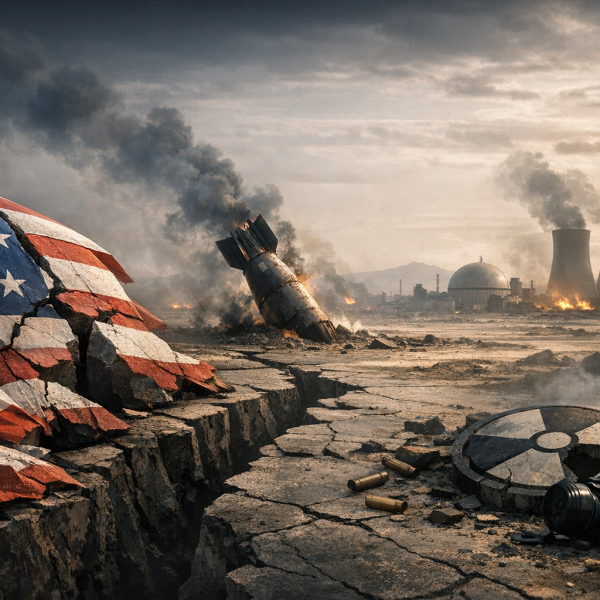
Recent geopolitical moves involving Iran and the United States have pushed global tensions back into the spotlight, sending shockwaves through politics, economics, energy markets, and even digital culture. While many people view these developments as distant diplomatic maneuvers, their impact reaches far beyond government halls and war rooms. They influence how we work, communicate online, consume media, and understand each other across borders. To make sense of what is happening and why it matters, it helps to break things down into concrete, everyday consequences.
1. Energy Prices and Everyday Cost of Living
Iran is a key player in the global energy landscape, and any escalation in tensions around the region often ripples directly into oil markets. Even minor confrontations, sanctions, or threats of disruption to shipping routes can trigger spikes in crude prices. When oil prices rise, transportation, manufacturing, and logistics costs usually follow.
For most of us, that means higher fuel prices at the pump, more expensive airline tickets, and climbing prices for goods that rely on complex global supply chains. From groceries to electronics, increased transport costs can translate into general inflation. This is one of the most immediate and visible ways that foreign policy decisions move from diplomatic cables to household budgets.
2. Global Financial Markets and Job Security
Markets hate uncertainty. News of sanctions, military posturing, or diplomatic breakdowns involving Iran can jolt global stock indexes, currency markets, and commodity exchanges. Investors tend to move capital away from perceived risk and into safer assets like gold or government bonds, which in turn affects credit conditions and business confidence.
When uncertainty lingers, companies may delay major investments, hiring plans, or expansion into new territories. That can touch workers and professionals far away from the Middle East, in the form of slower job growth or corporate restructuring. Political volatility, even when it seems remote, can quietly shape career prospects and economic stability in many countries.
3. Information Overload and the Need for Clear Global Communication
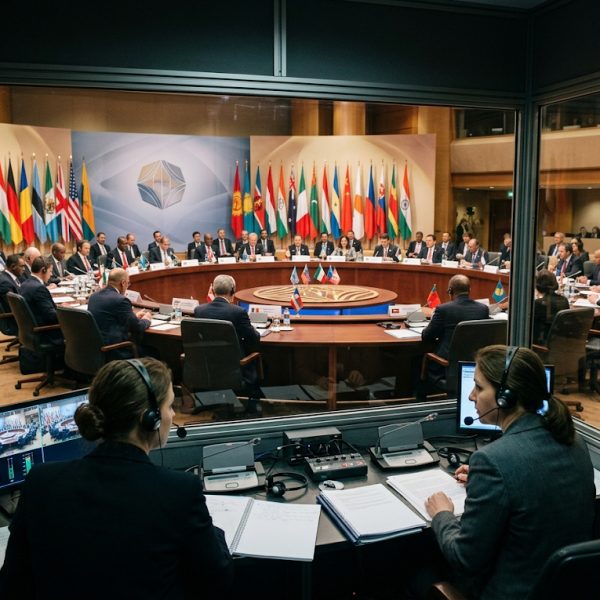
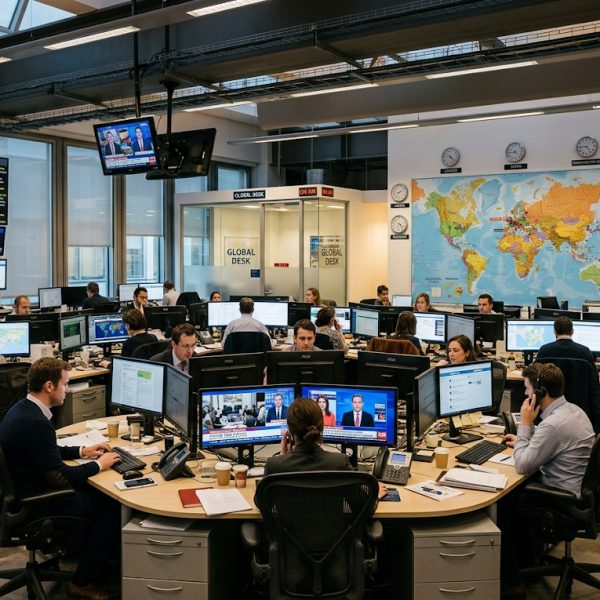
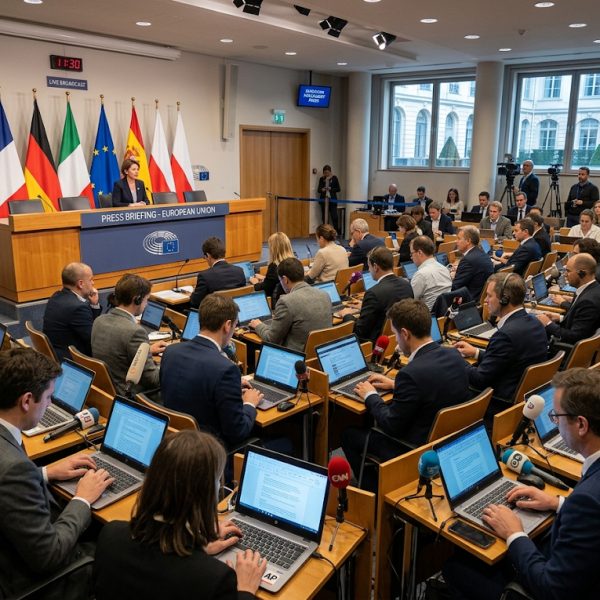
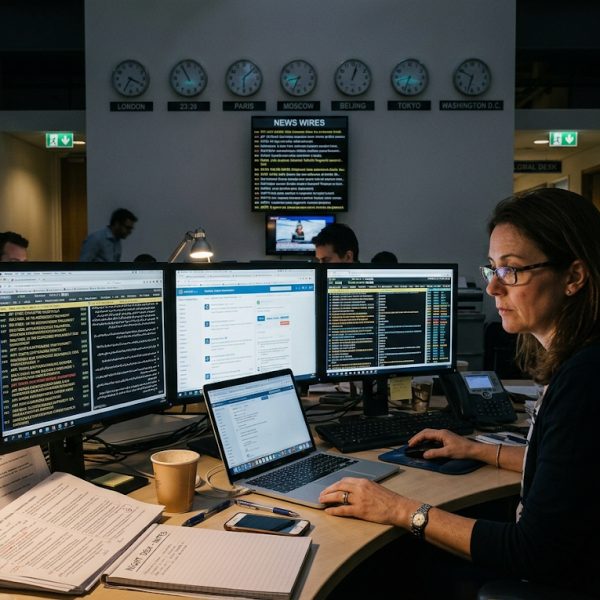
Modern audiences are flooded with commentary, analysis, and fast-moving updates every time Iran becomes a headline. News channels, streaming platforms, podcasts, and social media accounts worldwide race to interpret events, often in multiple languages. In this environment, access to reliable and understandable information becomes vital for both individuals and organizations.
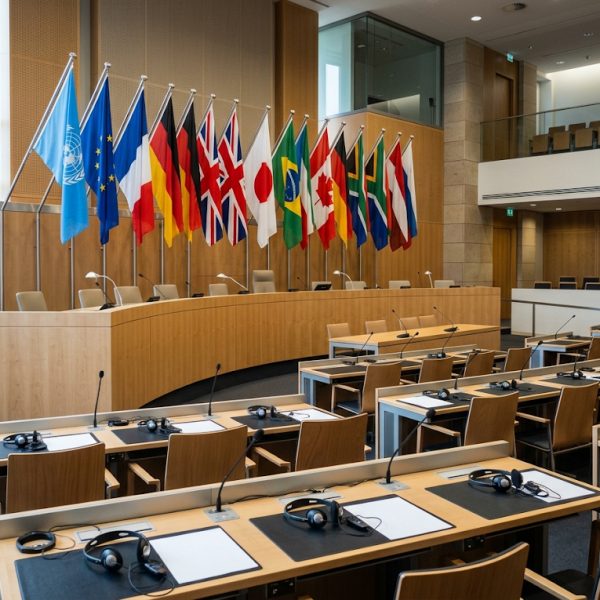
Media outlets, NGOs, and international companies that communicate with a global audience increasingly rely on subtitling services to deliver timely, multilingual video content that is both accessible and accurate. This ensures that people on different continents can follow what is happening, understand nuanced explanations, and form their own informed opinions, rather than relying on fragmented or mistranslated headlines.
4. Heightened Cybersecurity Risks and Online Safety
When tensions rise between nations, conflicts are no longer confined to physical borders. Cyber operations often intensify, targeting infrastructure, businesses, and government networks. Heightened friction involving Iran and major global powers has repeatedly been accompanied by warnings about cyberattacks, phishing campaigns, and disinformation efforts.
For everyday users and companies, this translates into a greater need for cybersecurity awareness: stronger passwords, multi-factor authentication, cautious email behavior, and robust security policies at work. Organizations must invest in digital defenses, while individuals need to recognize that geopolitical disputes can show up in their inboxes, on social media feeds, or through fraudulent financial messages.
5. Humanitarian Concerns and Migration Pressures
Sanctions, economic restrictions, and political pressure can combine to strain ordinary citizens in affected countries, including Iran. Difficult economic conditions may deepen, impacting access to medicine, food, and essential services. Over time, this can contribute to refugee flows, brain drain, and increased migration as people seek stability and opportunity elsewhere.
Host countries and neighboring regions then face their own challenges: integrating migrants, providing social services, and maintaining social cohesion. Public debates around immigration policies, humanitarian aid, and international responsibility often intensify whenever tensions escalate. The ripple effects land not just on policy makers, but also on local communities, schools, and labor markets around the world.
6. Shifting Alliances and Regional Power Balances
News involving Iran frequently signals broader shifts in regional alliances, from the Persian Gulf to Europe and Asia. Countries recalibrate their strategies based on evolving sanctions regimes, security partnerships, and economic ties. Some states move closer to one superpower, while others seek to balance relationships with multiple players to protect their own interests.
These shifts influence trade routes, investment flows, defense agreements, and diplomatic initiatives. For multinational businesses, it can mean changing risk assessments or revisiting market-entry plans. For citizens, it may influence everything from travel advisories to which international products are easily available in local stores.
7. Media Narratives, Bias, and Public Perception
The way news about Iran is framed has a powerful effect on public opinion. Headlines, commentary, and imagery can highlight either diplomacy or danger, cooperation or confrontation. Different outlets, languages, and regions may emphasize completely different aspects of the same event, leading to wildly varied interpretations.
Geopolitical shocks reach ordinary organisations through second-order effects such as fuel costs, shipping delays and the sudden arrival of new needs. Aid agencies feel this first and have the least slack available to absorb it. Growing interest in ai for nonprofits comes from exactly that pressure, since forecasting demand a few weeks earlier is worth more than almost any efficiency saving.
This fragmented narrative environment makes media literacy crucial. Readers and viewers benefit from checking multiple sources, understanding the difference between reporting and opinion, and recognizing the role that translation and subtitling play in shaping global perceptions. Misinterpretations or incomplete translations can skew how entire populations perceive another nation, feeding stereotypes and mistrust.
8. Cultural Exchange, Sanctions, and the Flow of Ideas
Political tensions often restrict more than just trade. Academic collaborations, cultural exchanges, joint research projects, and artistic partnerships can suffer whenever sanctions or diplomatic rifts deepen. Visa restrictions, funding cuts, or institutional boycotts may reduce the flow of people and ideas between countries.
For students, researchers, and artists, this can close off opportunities and stall cross-border projects. For broader societies, it means fewer chances to see nuanced portrayals of each other’s cultures through film, literature, and scholarship. Reduced cultural exchange tends to harden divisions, while open channels of communication and collaboration usually foster empathy and long-term understanding.
9. Social Media Echo Chambers and Misunderstanding
When major geopolitical stories break, social media quickly fills with hot takes, memes, and emotional reactions. Algorithms push content that provokes engagement, which often means outrage or fear rather than context and nuance. This dynamic can trap users in echo chambers where sensational claims and partial truths spread faster than careful analysis.
In the context of complex international issues involving Iran and global powers, this environment can lead to polarisation and confusion. Users who want to understand real-world implications must actively seek out credible sources, long-form analysis, and perspectives from people on the ground. Awareness of how platforms amplify certain narratives helps individuals navigate the noise and avoid being misled.
10. Why Paying Attention Still Matters
It can be tempting to tune out foreign policy news as distant and irrelevant, but the consequences rarely stay confined to diplomatic circles. From energy bills and job markets to cybersecurity, cultural exchange, and the quality of public debate, developments involving Iran and global powers affect everyday life in subtle and not-so-subtle ways.
Understanding these links empowers individuals, businesses, and communities to respond more thoughtfully. Whether that means adjusting investment strategies, strengthening digital security, supporting credible journalism, or encouraging cross-cultural communication, informed engagement is far more effective than indifference. The headlines may focus on leaders and states, but the long-term outcomes shape the lives of millions around the world.
Connecting Global Events to Daily Reality
News about diplomatic standoffs, sanctions, or security concerns involving Iran is not just a matter of abstract geopolitics. It is a lens through which we can see how tightly our economies, information systems, and cultural spaces are intertwined. When political tensions rise, energy prices, financial stability, online safety, humanitarian conditions, and public discourse all feel the impact.
Paying closer attention, seeking reliable information across languages, and recognizing the importance of clear international communication can help people everywhere navigate these shifts. In a world where a single news cycle can trigger market swings, social media storms, and policy changes, staying informed is not a luxury. It is a practical necessity for anyone who wants to understand how distant diplomatic developments gradually reshape everyday life.